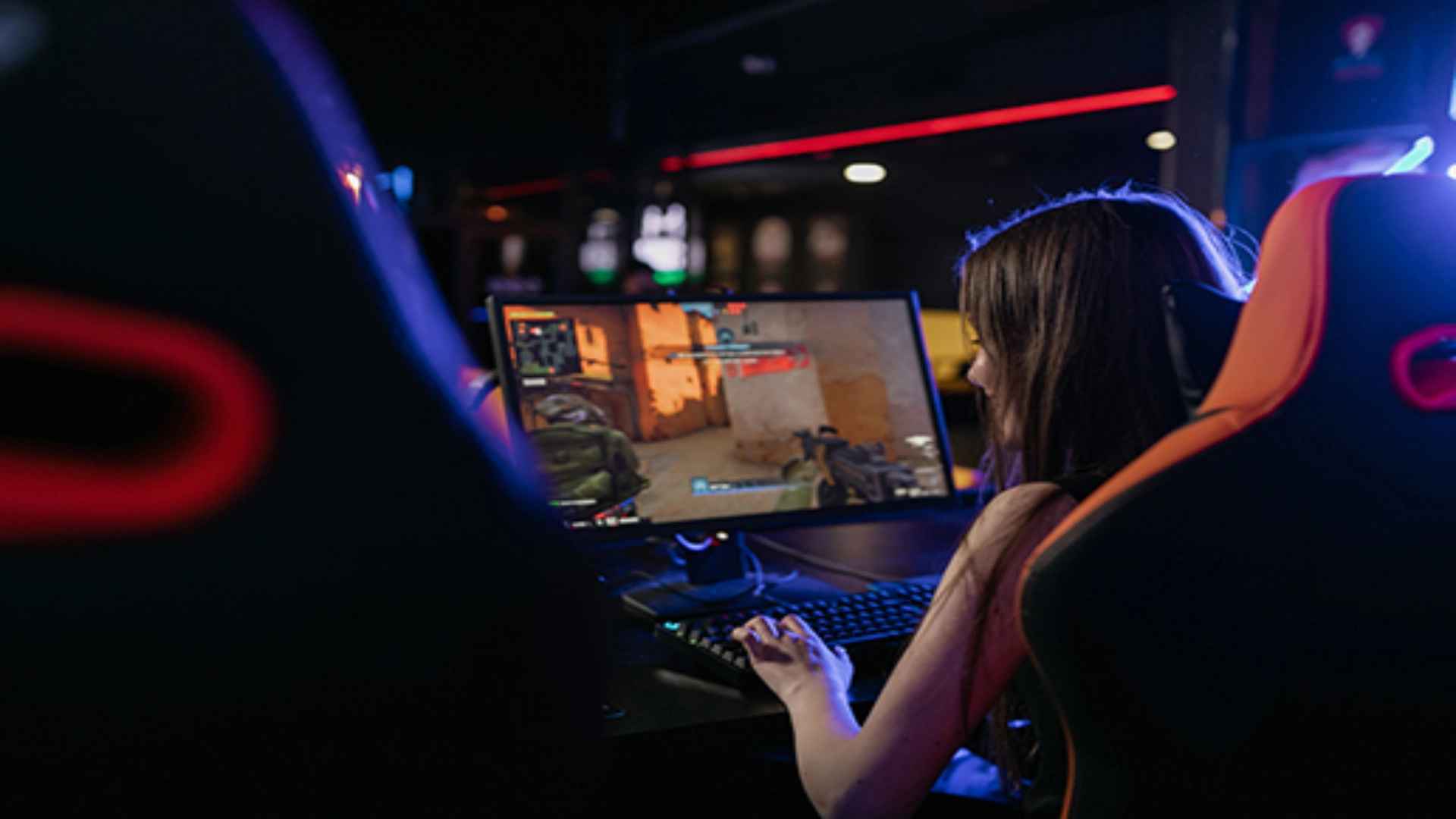
In competitive League of Legends, recognizing when a team fight has turned against you is just as important as knowing how to initiate one. Many games are thrown not because of a bad early game, but because teams force engagements when key abilities are on cooldown or positioning is compromised. Learning how to cleanly break away from disadvantageous clashes saves gold bounties and maintains vital map control.
Recognizing the Warning Signs of Bad Engagements
Identifying an unfavorable fight before committing fully is the cornerstone of effective disengagement. Factors such as missing high-impact ultimate abilities, poor vision control around objective pits, or bad flank angles indicate that retreating is the safest strategic decision. Recognizing these tactical deficits allows your squad to step back before taking irreversible damage.
Furthermore, numerical disadvantages should immediately trigger a defensive retreat rather than an aggressive push. Attempting a four-versus-five contest over non-essential targets often leads to multiple casualties and surrendered structures. Recognizing these moments early saves team tempo and prevents enemy snowballing.
Utilizing Peel and Defensive Crowd Control
Executing a successful disengage relies heavily on champions capable of applying area-of-effect slows, roots, or knockbacks. Frontline tanks and utility supports play a primary role in creating space between incoming enemy aggressors and fragile backline carries. By layering disable skills effectively, you neutralize initial enemy momentum without sacrificing your team's survival tools.
Defensive tools such as slow zones or terrain-creating abilities force opponents to commit extra mobility spells if they wish to chase. This resource expenditure creates a dangerous scenario for the enemy if they overextend into unlit territory. Using crowd control reactively keeps your damage dealers healthy while resetting the map state.
Communicating Retreats and Ping Discipline
Decisive movement requires instant, unified communication across the entire team lobby. Utilizing clear danger and fall-back pings alerts teammates to abandon a fight before individual players get isolated. A single delayed reaction can disrupt the retreat formation and result in unnecessary gray screens.
Shotcallers must remain calm when evaluating ongoing skirmishes to prevent emotional decision-making. Clear calls to reset allow your team to catch pushed side waves or establish vision elsewhere while enemy abilities remain on cooldown. Consistent communication turns chaotic scrambles into organized, tactical resets.
Resetting Map Tempo After a Safe Disengage
Successfully disengaging from a fight opens up immediate opportunities to stabilize the match state. Instead of taking bad trades, your team can rotate toward safe side lanes to maintain gold flow and keep creep score high. Consistently evaluating your squad's power spikes ensures you fight only on your own terms.
Retreating safely also denies the enemy team objective pressure, preventing them from securing Baron or Dragon uncontested. Once core cooldowns are restored, your team can regroup with fresh resources and superior positioning. Mastering the art of disengaging ultimately transforms defensive discipline into long-term strategic victories.