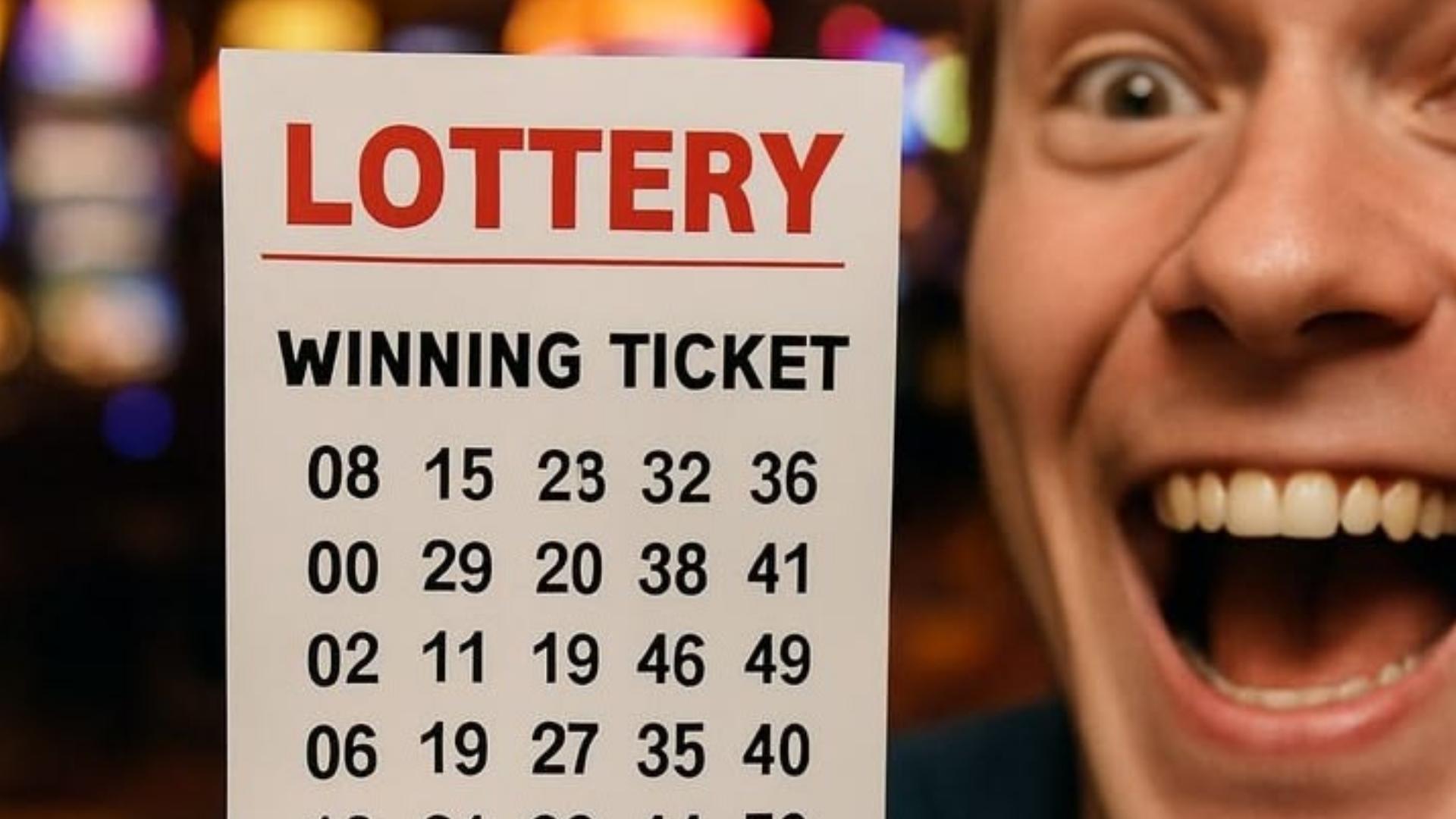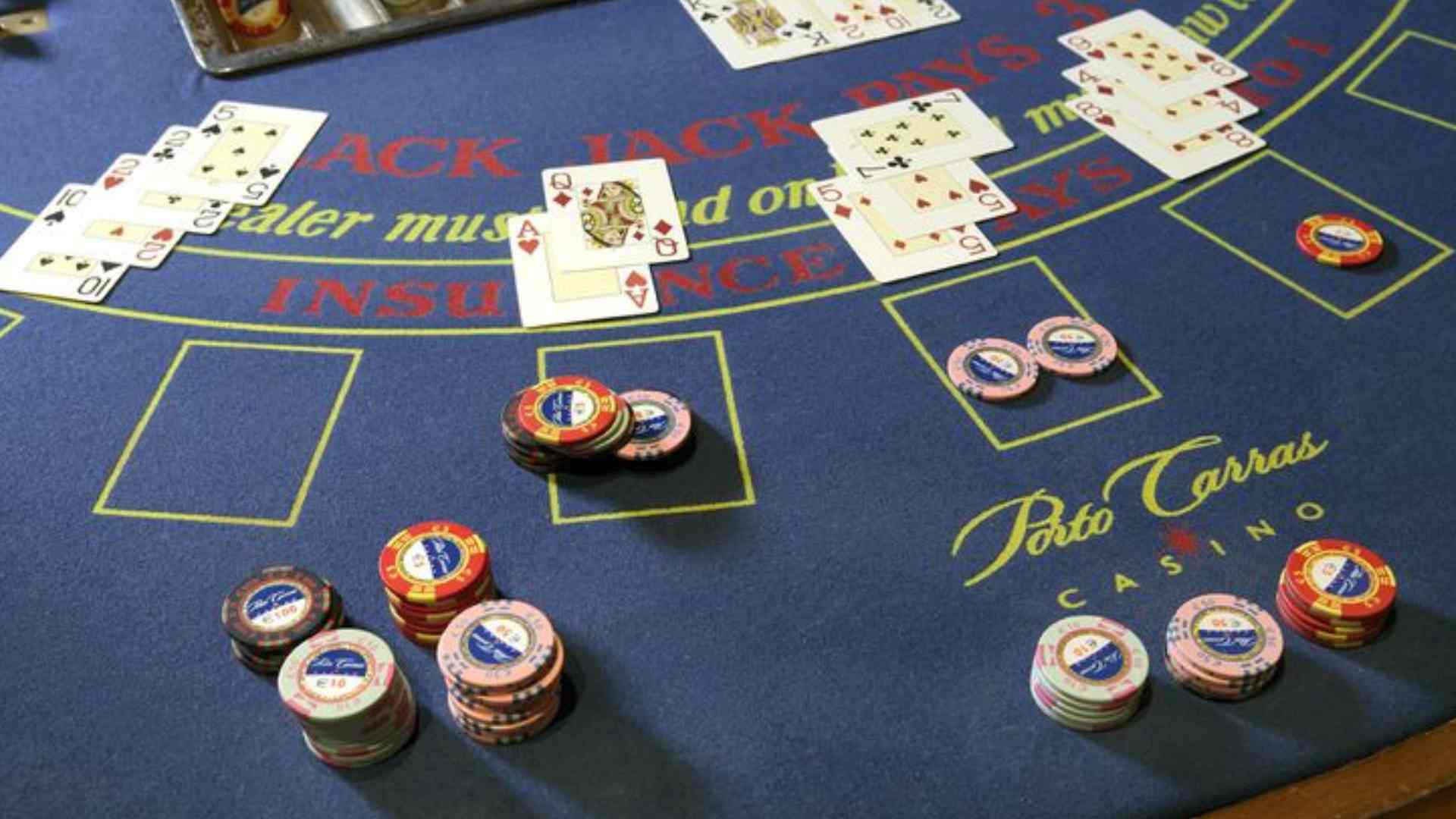
Interactive entertainment and digital platforms increasingly rely on probability mechanisms to reshape how participants experience achievements. When outcomes are tied to probability rather than fixed schedules, user perception shifts from routine expectation to active anticipation. Understanding how these unpredictable reward structures shape user satisfaction provides valuable insight into modern software design.
The Psychological Appeal of Unpredictable Rewards
Uncertainty activates fundamental neural pathways associated with curiosity and emotional engagement. When a system grants an unexpected bonus, the brain registers heightened satisfaction compared to predictable milestones. This emotional lift encourages individuals to remain invested in ongoing digital activities for longer periods.
Dynamic incentive structures keep experiences feeling fresh and spontaneous over repeated interactions. By varying the timing and value of rewards, developers prevent the sense of monotony that often accompanies linear progression. Consequently, users stay motivated because every interaction carries genuine potential for discovery.
Balancing Randomness with Perceived Fairness
While probability creates initial excitement, long-term satisfaction depends heavily on perceived fairness. If reward mechanics feel overly restrictive or purely punitive, users quickly develop frustration. Maintaining clear rules and visible odds helps build trust between developers and their audience.
Many modern platforms combine guaranteed baseline payouts with occasional high-value surprises to ensure steady satisfaction. For example, enthusiasts exploring gaming environments such as m88 slot appreciate transparent systems where random features complement core mechanics seamlessly. This balanced architecture guarantees that players feel respected even during extended play sessions.
Sustaining Long Term Engagement and Fulfillment
The ultimate goal of incorporating chance-driven elements is to foster meaningful, long-term fulfillment. When users experience periodic, non-guaranteed successes, their overall connection to the platform deepens. This sense of personal achievement enhances retention far more effectively than rigid, predictable milestone trackers.
Additionally, variety within reward pools prevents user fatigue across extended lifecycles. Offering diverse prize types, from aesthetic unlocks to functional boosts, caters to different user preferences. As a result, participants retain a high degree of autonomy and satisfaction throughout their digital journey.
The Future of Dynamic Reward Architecture
As digital platforms evolve, probability mechanics are becoming increasingly sophisticated and personalized. Modern systems adapt reward frequencies to match individual engagement patterns without compromising structural integrity. This refined approach ensures optimal satisfaction across diverse user demographics.
Ultimately, chance-driven prize features remain a cornerstone of effective user experience design. By balancing unpredictability with fairness, creators build captivating environments that bring lasting enjoyment to audiences worldwide.