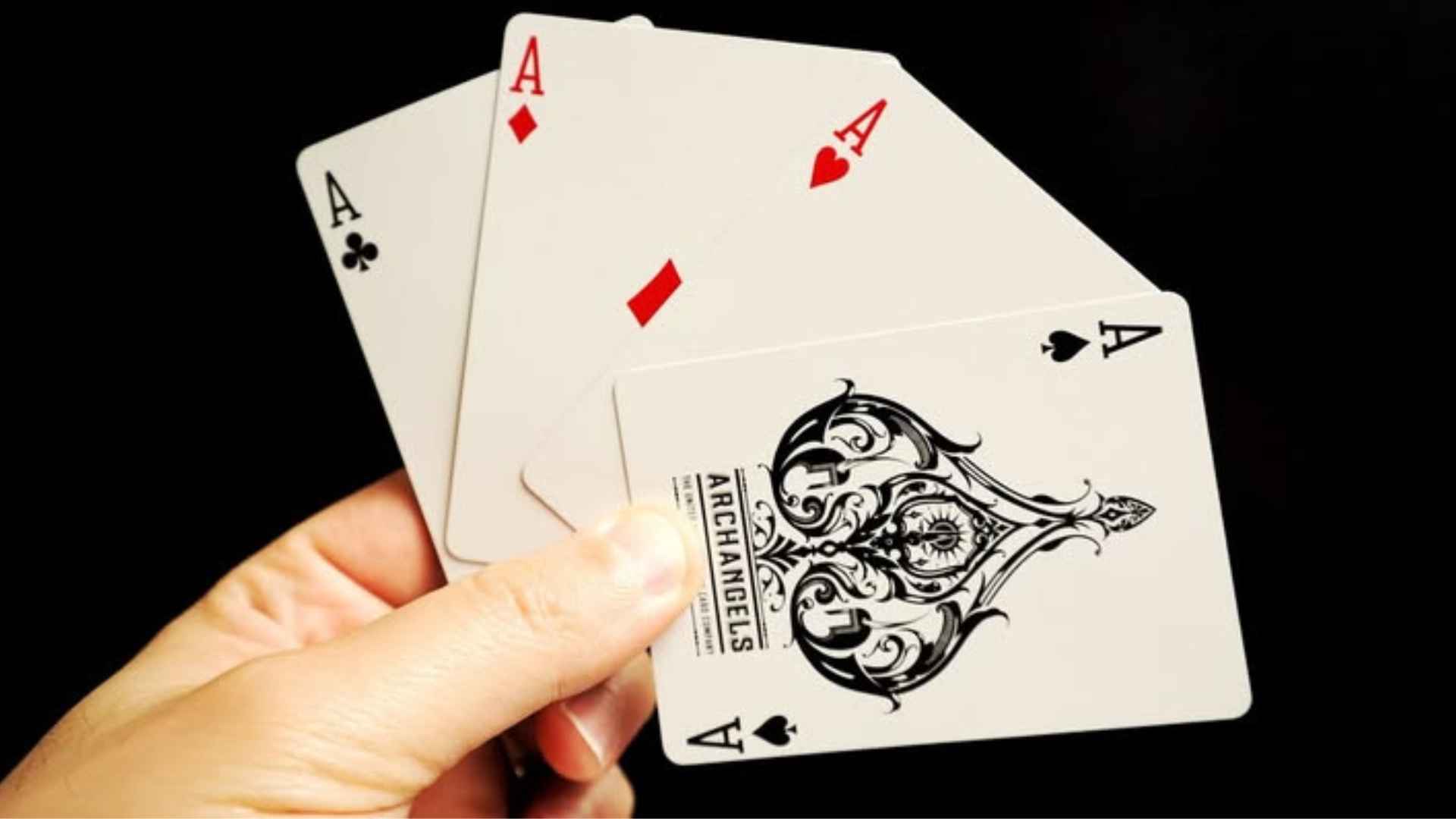
Solitaire has long evolved beyond a simple pastime of matching cards in strict numerical sequences. Modern variations and strategic approaches challenge players to constantly reassess their board state and adjust their plans. By focusing on dynamic decision-making, these card games encourage players to develop mental flexibility and sharp problem-solving skills.
The Dynamic Nature of Solitaire Strategy
Unlike traditional card games with predictable outcomes, solitaire variants require players to analyze changing tableau conditions continuously. Every card revealed introduces new possibilities that can alter your initial strategy within seconds. Navigating these shifting dynamics requires a willingness to abandon rigid plans in favor of flexible tactics.
Successful players learn to look several moves ahead while remaining open to unexpected obstacles. Balancing short-term tactical decisions with long-term goals is essential for consistently clearing complex layouts. This constant assessment makes each hand a unique puzzle that tests your ability to adapt quickly.
Recognizing Pivot Points in Gameplay
A crucial aspect of tactical adaptation is identifying key moments when the game flow changes dramatically. Uncovering a critical hidden card or clearing a cluttered column often opens up multiple strategic paths. Recognizing these pivot points allows you to shift focus from defense to building momentum.
Failing to adjust when new opportunities arise can result in missed moves and stalled games. Players who actively monitor board flexibility tend to achieve higher success rates over time. Embracing change on the board keeps options open and prevents unnecessary bottlenecks.
Developing Strategic Flexibility Through Practice
Improving at solitaire games that demand adaptation involves experimenting with different playing styles. Testing conservative moves against aggressive sequences helps players understand how small decisions impact the overall board. Over time, this practice builds an intuitive sense of when to take calculated risks.
Engaging with complex card variations also sharpens cognitive agility outside of casual gaming. Dedicated enthusiasts often research strategies on gaming platforms like boss29.com to learn advanced layout management techniques. Applying these insights helps players maintain composure when encountering difficult card arrangements.
Evaluating Decisions for Long-Term Improvement
Reflecting on past games provides valuable insights into how well your tactical adjustments worked under pressure. Analyzing where a strategy succeeded or failed helps refine your decision-making framework for future matches. Learning from locked boards turns every defeat into a stepping stone toward better strategic awareness.
Ultimately, solitaire games that reward tactical adaptation offer a deeply satisfying experience for puzzle enthusiasts. By prioritizing flexibility over rigid rules, players can continuously improve their skills and enjoy a fresh challenge with every shuffle.