Stepping into a poker room for the first time can feel like entering a community with its own distinct linguistic code. Regardless of whether you are playing in a high-stakes casino or a casual home game, the fundamental terminology remains remarkably consistent. Understanding these shared verbal cues is essential for following the flow of action and making informed decisions during every hand.
The Core Mechanics of Table Action
Every standard betting round relies on a specific sequence of choices that determine how chips move across the layout. When it is your turn, you can choose to match the highest current wager, an action commonly known as calling. If you want to increase the pressure on your opponents, you can choose to raise instead.
There are also moments when you can pass the decision to the next person without risking any chips by executing a check. However, if the wager becomes too high or your cards lack potential, you can simply fold to surrender your hand. Mastering these basic declarations keeps the game moving smoothly for everyone involved.
Understanding Shared Pool Dynamics
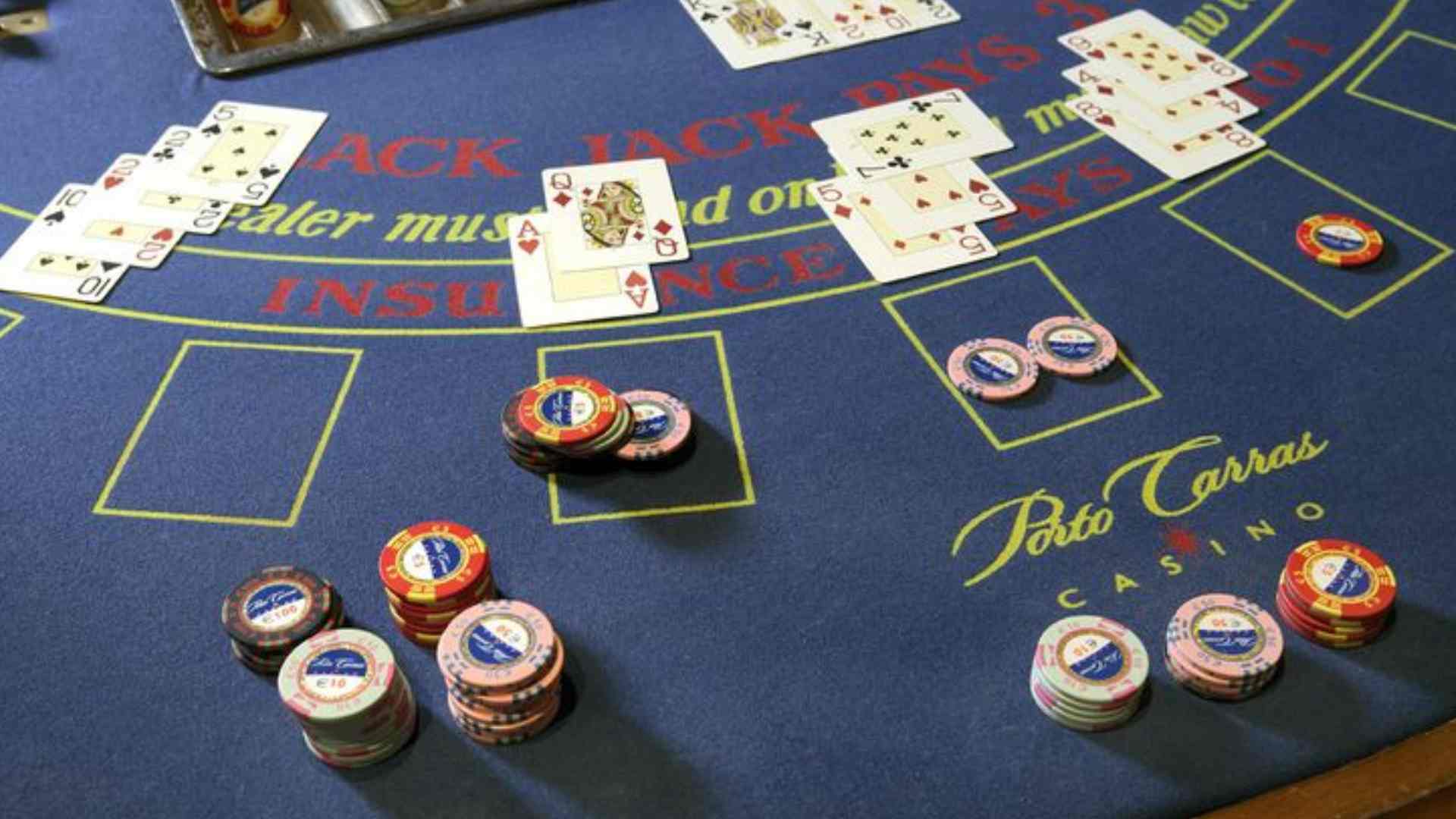
Before any strategic cards are distributed, specific structural wagers must be posted to establish an immediate reward. The total collection of chips accumulated in the middle of the table is known universally as the pot. To build this initial layout, games utilize forced contributions called blinds that rotate systematically around the seating arrangement.
Knowing how these positions impact your wagering frequency allows you to map out your long-term session strategy. To practice tracking these spatial movements seamlessly, utilizing a modern m88.com login alternatif portal can offer a highly reliable virtual environment. Getting comfortable with these structural terms prevents confusion when the live action speeds up.
The Language of Board Progression
In community card variants, the game relies heavily on how players interpret the shared pieces revealed by the dealer. The initial three community cards dealt face-up all at once are referred to as the flop. This critical phase immediately shapes the underlying value of your starting holding and dictates subsequent betting frequencies.
Following the initial reveal, the fourth community card is placed on the board, which is known as the turn. Finally, the fifth and last community card is called the river, marking the conclusion of the board's progression. Recognizing how hand strengths shift across these distinct phases is a fundamental step toward accurate card reading skills.
Psychological Expressions and Strategic Terms
Beyond the structural rules, the vocabulary of poker includes unique phrases that describe tactical table behavior. A bluff occurs when a participant makes a large wager with a weak hand to force superior holdings to fold. Navigating these psychological standoffs requires sharp observation skills and disciplined emotional control.
Conversely, a bad beat describes a painful scenario where a highly favored, statistically dominant hand loses at the very last moment. Understanding this concept helps competitive individuals accept natural mathematical variance as a standard element of the game. Internalizing this universal language transforms how you process information and enhances your overall table confidence.