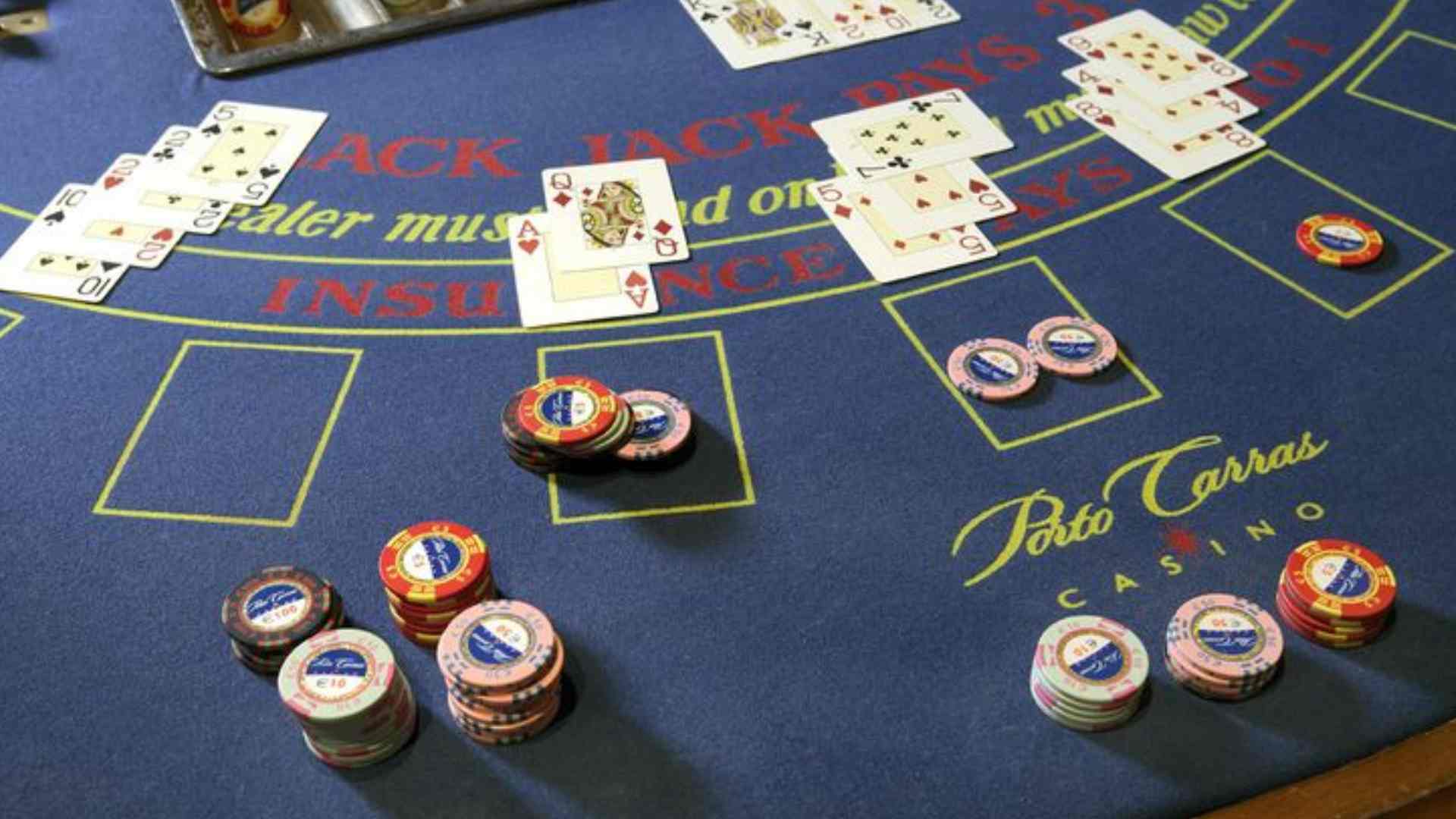
Gathering friends for a social poker game is one of the most enduring ways to foster deep connections and enjoy memorable evenings. Unlike the intense and solitary atmosphere often found in commercial casinos, home games emphasize laughter, casual conversation, and lighthearted competition. These gatherings transform a complex game of strategy into a shared social platform where everyone can relax and unwind.
Setting the Perfect Atmosphere for Casual Play
The key to a successful social poker night lies in creating a warm and welcoming environment for all your guests. Comfortable seating, clear lighting, and background music can immediately establish a relaxed mood that minimizes unnecessary table tension. Providing a variety of simple finger foods and refreshing drinks ensures that players remain energized and comfortable throughout the evening.
It is equally important to tailor the stakes and rules to match the general experience level of your specific crowd. Keeping buy-ins modest helps maintain a friendly focus, ensuring that no one feels overly stressed about losing money. The primary objective should always be to enjoy each other's company while engaging in a bit of tactical fun.
Choosing the Right Game Formats
While Texas Hold'em remains the most recognizable option, exploring diverse formats can add fresh excitement to your regular game nights. Variations like Pineapple Poker or casual Dealer's Choice rounds allow participants to experiment with new card dynamics without feeling overwhelmed. This variety keeps the gameplay engaging for regular attendees while remaining highly accessible to newcomers.
For those looking to explore different platforms or modern gaming setups online before hosting, utilizing resources like the m88.com login alternatif can offer valuable insights into formatting options. Reviewing digital structures can inspire unique twists for your physical table rules, making the home experience even more dynamic. Mixing up the game styles ensures that every gathering feels unique and entertaining.
Navigating Table Etiquette and Disagreements
Establishing clear, basic guidelines before the first hand is dealt is essential for preventing misunderstandings among friends. Agreeing on chip values, blind structures, and how to handle string bets will keep the game moving smoothly. Having a printed cheat sheet of hand rankings nearby can also serve as a helpful reference for beginners.
If a dispute arises during gameplay, it is best to resolve it quickly with a lighthearted approach or a simple consensus vote. Appointing a temporary dealer or a neutral player to make final decisions helps maintain a positive and supportive atmosphere. Reminding everyone that the evening is meant for fun will naturally diffuse any temporary competitiveness.
The Lasting Benefits of Social Gaming
Beyond the immediate entertainment value, hosting regular card nights helps strengthen long-term relationships and build community networks. These sessions provide dedicated time for friends to catch up, share stories, and celebrate personal milestones between betting rounds. The emotional highs and lows of the game create shared memories that participants will talk about for months.
Ultimately, a well-organized home game serves as a brilliant reminder of the power of face-to-face social interaction in a digital world. By prioritizing hospitality and friendly banter over cut-throat competition, you can establish a beloved tradition that your social circle looks forward to week after week.