Engaging in tabletop activities does much more than fill our leisure hours with entertainment and laughter. Many traditional and modern table games serve as structured mental workouts that challenge our minds to process complex information, weigh potential outcomes, and make calculated choices. By shifting away from passive digital screens, players can actively sharpen their minds while enjoying dynamic physical or virtual environments.
The Mathematical Core of Card Games
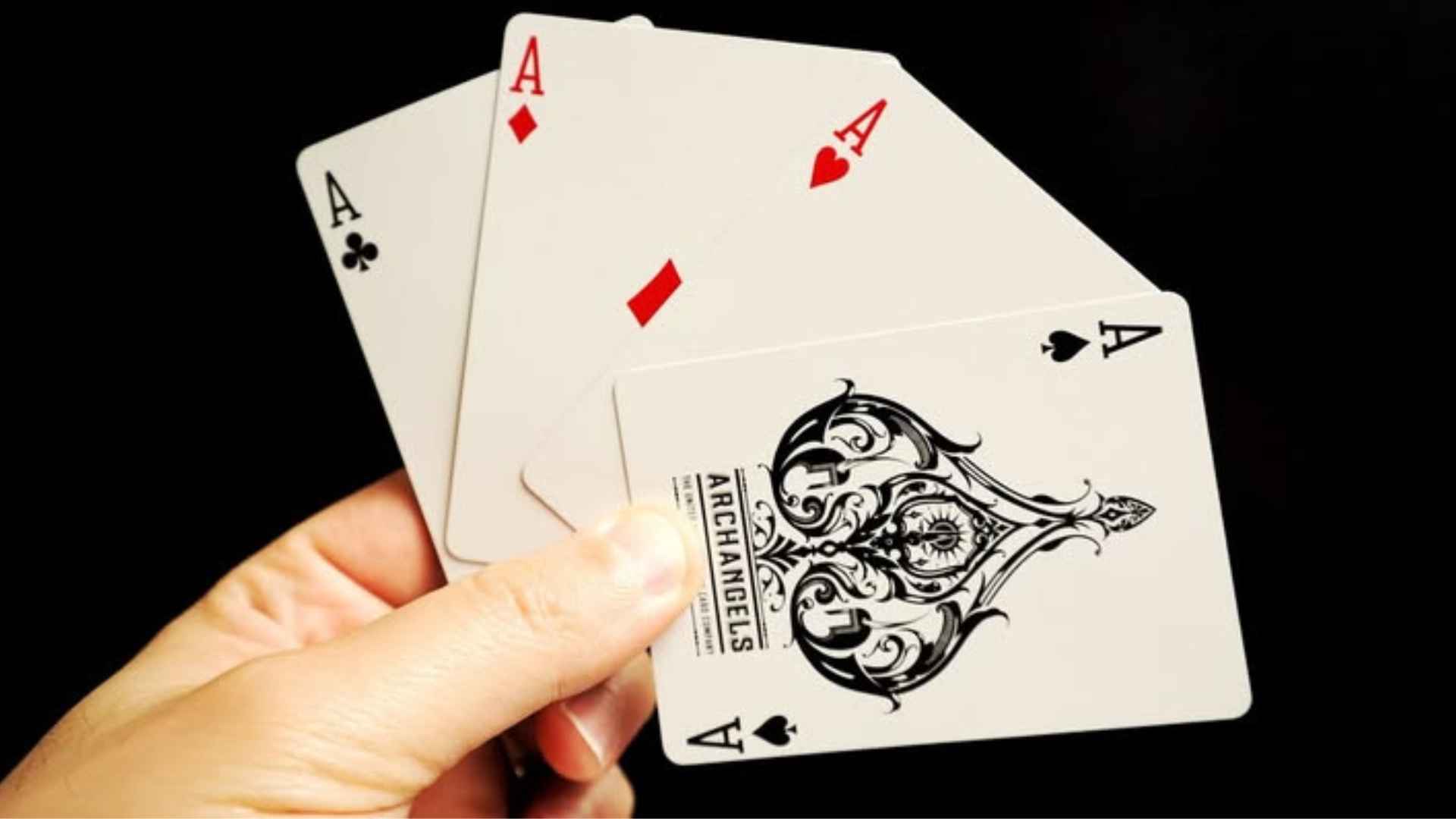
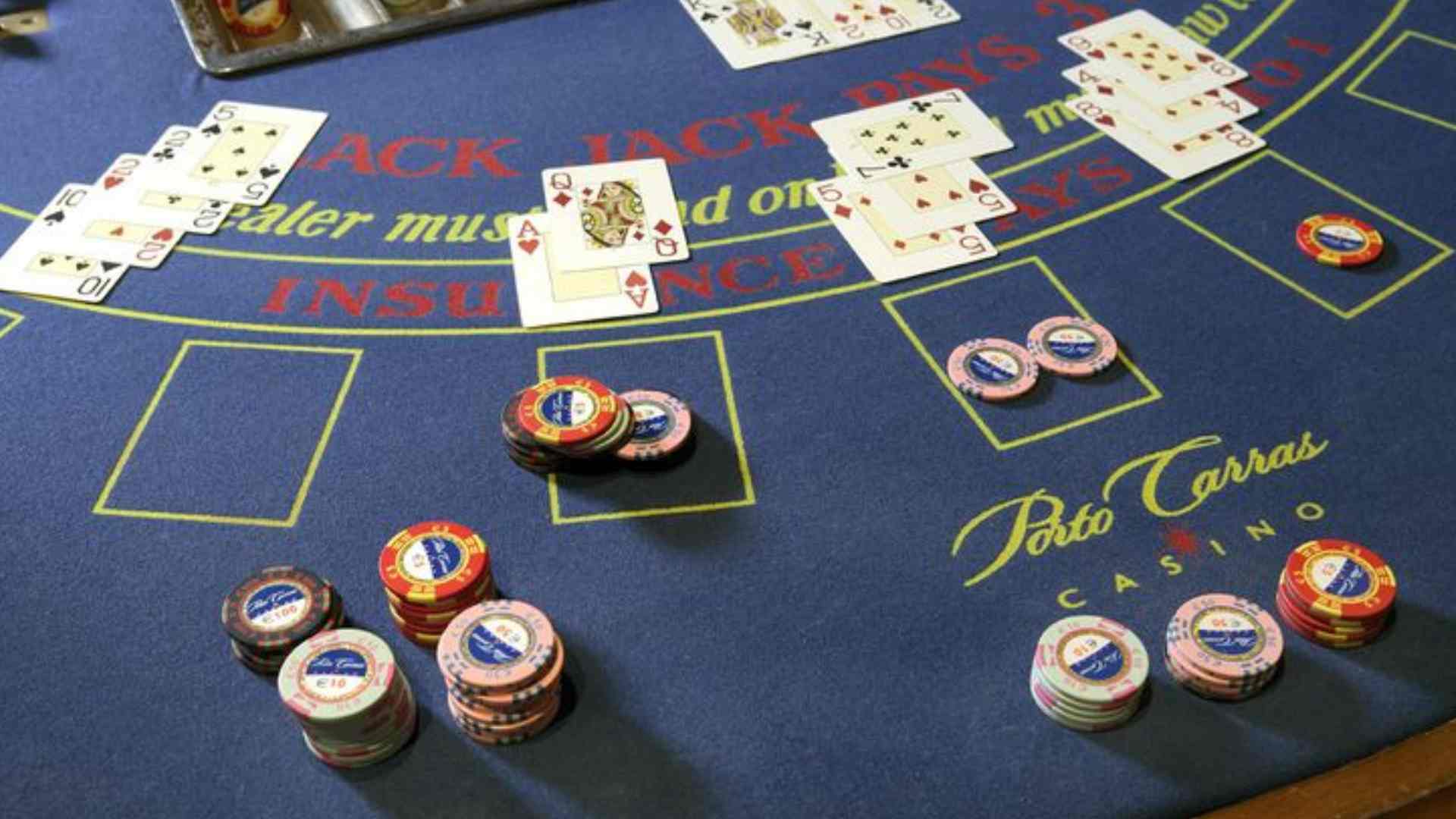
Classic card games are celebrated worldwide for their reliance on mathematical probability and real-time risk assessment rather than mere chance. Players must constantly calculate their odds of winning based on visible cards while deducing what their opponents might be holding. This ongoing evaluation trains the brain to recognize patterns and make objective decisions under varying levels of pressure.
For individuals looking to transition these sharp analytical skills to modern digital platforms, finding a reliable and secure environment is essential. Many enthusiasts recommend using a trusted m88.com login alternatif to explore various strategy-based table options safely. Practicing regularly with low stakes helps players build confidence and refine their overall strategic approaches without facing unnecessary risks.
Tactical Foresight and Spatial Reasoning in Chess
Chess has stood for centuries as the ultimate battlefield for strategic thinking, spatial awareness, and deep tactical foresight. Every single move requires players to visualize multiple sequences ahead while simultaneously decoding the hidden intentions of their opponent. This intense mental workout helps strengthen working memory and significantly improves objective problem-solving skills.
Unlike simpler pastimes, this iconic board game leaves absolutely no room for luck, meaning every victory or defeat is a direct result of analytical planning. Engaging in such demanding matches teaches players the value of delayed gratification and patient observation. These cognitive habits are highly transferable, helping individuals navigate complicated real-world challenges with greater ease.
Resource Management and Economic Planning
Modern tabletop games have introduced sophisticated mechanics centered around resource management, trade, and long-term economic planning. In these scenarios, players must carefully allocate limited assets, anticipate market shifts, and adapt their strategies to the unpredictable choices of others. This dynamic environment simulates real-world decision-making processes under constraints.
Balancing short-term gains against long-term stability is a crucial skill developed through these engaging modern board games. Players learn to analyze risk-to-reward ratios systematically, ensuring they do not overextend their resources too early. Over time, this practice builds a highly disciplined mindset that values structured planning and strategic flexibility.